
Most punters in this country reckon the house edge is just background noise until a bad session eats into their bankroll. I have spent years building acquisition funnels for iGaming brands, so I see the same pattern every time: flashy tables and stacked lobbies sell the dream, but the maths underneath decides who walks away smiling. If you are scanning the floor for the worst odds casino games, you are already asking the right question. The trick is knowing which bets quietly drain value and which ones only feel expensive because of the noise around them.
What actually makes a game sting your bankroll
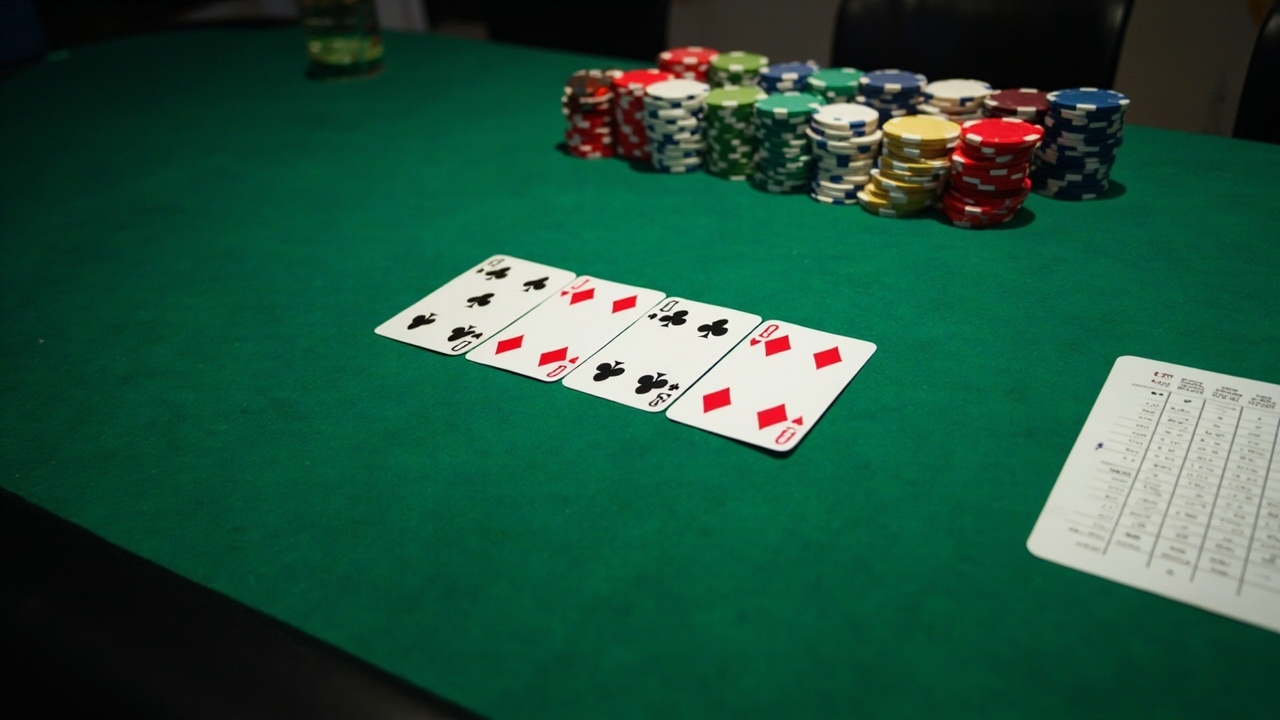
The games that hurt the most are rarely the ones with the loudest lights. They are the ones where the edge is baked into the rules, not just the spin. American roulette is the textbook example for an Australian player because the double zero adds roughly 5.26 per cent to the house edge, which is a meaningful hit over a quiet Tuesday arvo session. I have watched community growth campaigns around the Stake and Kick ecosystem thrive on fast, social tables, but the same velocity can mask how quickly a single zero or double zero compounds against you. Blackjack sounds friendlier until you sit down at a table that pays 6:5 on a natural instead of 3:2, because that one rule change can shave the return toward the house by more than one per cent across a full night. Side bets on video poker and baccarat look like cheap entertainment, yet their return-to-player is usually well below the base game, so they function more like paid spectacle than a sensible play.
I have run acquisition tests where the creative promised a busy lobby and the reality was a slow bleed on high-edge tables, and the retention data always told the same story: players who understand the edge stay longer and spend more deliberately. That is why I judge any lobby by the rules on the table, not the promo banner above it. If you want a practical view of which offers actually line up with your play style, fairgo-nodeposit-aus.com keeps the deal structure out in the open so you can see the wagering and contribution rules before you commit. Archie Mitchell, Sports Betting Analyst, Eucalypt Digital Advisory, puts it plainly: the edge is not a mystery, it is just a rule set most players never read before they put money in. Henry Campbell, Digital Acquisition Director, Harbour Bet Insights, adds that the fastest way to flatten a bankroll is to treat a high-edge table like a bonus multiplier, because the maths does not care how good the offer looks.
A mate’s guide to spotting the sting before you sit down
Here is how I walk a new player through the floor without the jargon. Step one is to find the rule sheet before you touch a chip, because the edge lives in the fine print and not in the theme art. Step two is to check the wheel or the paytable for the obvious killers, like a double zero on roulette or a 6:5 blackjack payout, and step back if either shows up. Step three is to ignore the side bets for your first hour, since they are usually the worst odds casino games hiding in plain sight while the base game runs a fairer return. Step four is to set a session limit in Australian dollars and treat it like a ticket, not a target, so you are paying for entertainment instead of chasing a number that the maths is already working against. Step five is to watch the pace of the table, because a busy floor with fast dealers and auto-spin lobbies can burn through a bankroll before you have really noticed the session.
I have used this same step-by-step approach when onboarding staff for community growth campaigns, because the principles are identical: know the rules, ignore the noise, and measure the session by what you planned, not by what the table throws at you. The Eiffel Tower replica’s legs pierce into the casino floor, which is a grand bit of theatre, but it does not change the return on a side bet or a double-zero wheel. If you are playing for a quiet hit of entertainment on a Geelong weekend, that is a fair call, just do it with your eyes open on the rules and your limit set before the first deal. No worries if you treat it like a paid night out rather than a plan to get ahead, because that mindset keeps the edge where it belongs: on the house.
How promotions and bonus maths tilt the real edge
A welcome bonus can look like a cushion, but the wagering and contribution rules decide whether it is actually useful or just a prettier way to play the same high-edge tables. The offer structure matters first: a match or free spins package with a thirty-fold wagering requirement on bonus funds is a very different proposition from a modest perk with a five-fold turnover, because the multiplier dictates how much play you need before any withdrawal is even on the table. Eligibility and limits are the next thing I check, since a bonus that excludes table games or caps contributions on slots quietly pushes you toward the games with the higher house edge. Recurring promos can be better value than a one-off splash if they reward your normal play instead of forcing you into a different game mix, but only when the contribution rates are written plainly and the caps are realistic.
I have judged acquisition offers by whether they reward the player’s actual game mix rather than redirecting them into a high-edge corner of the lobby, and the better campaigns always make the terms readable before the first deposit. The payment side matters too, because playing in Australian dollars with clear withdrawal windows keeps the session honest, while a promo that muddies the currency or adds hidden caps just adds friction to a game that is already working against you. If you are weighing whether a promotion genuinely softens the worst odds casino games or just dresses them up, the answer is usually in the contribution table and the turnover, not in the headline number. Treat the bonus as a small extension of your session budget, not as a reason to sit down at a worse table, and you will keep the maths on your side of the room. fairgo-nodeposit-aus.com

House edge: the mathematical advantage the casino builds into a game’s rules and payouts.
RTP: return to player, the long-run percentage of wagered money a game pays back over time.
Wagering requirement: the multiplier that sets how many times bonus funds or free spins must be turned over before withdrawal.
Contribution rate: the percentage a game counts toward bonus turnover, with some games counting less or being excluded.
Session limit: a self-set cap on time or money for one visit, used to keep play within a planned budget.